Intercultural communication - by Anthony Lopez
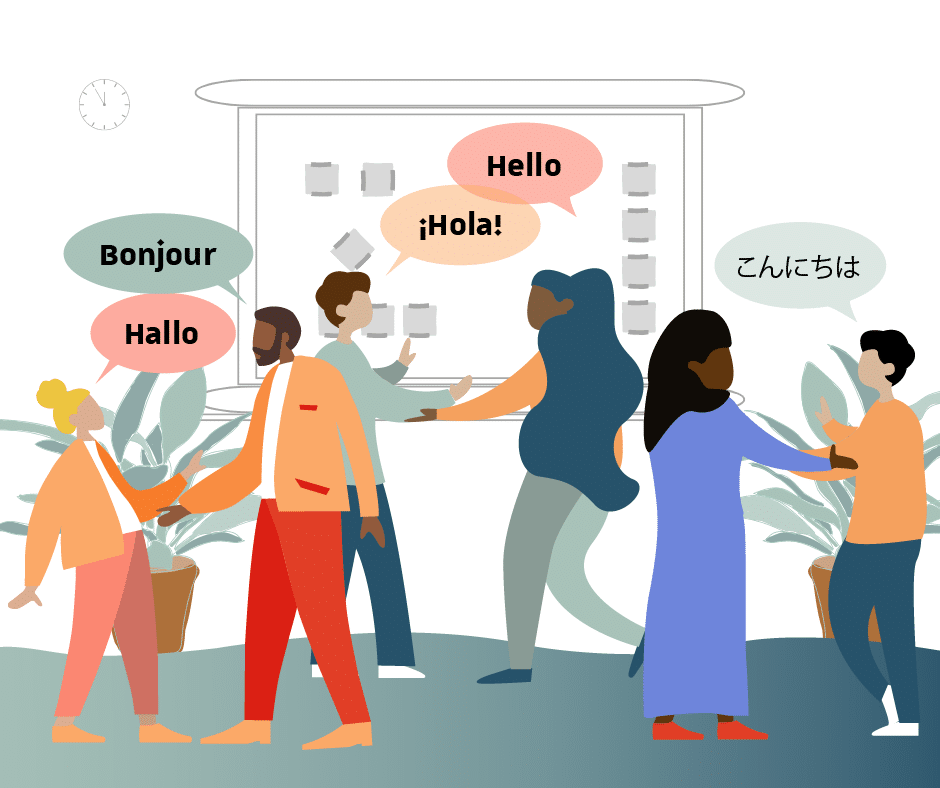
These presentations were a very thought out and impactful representation of how different cultures communicate and how stigmas and biases could possibly form. The different topics and sensitive situations truly open your eyes to completely different worlds there are in different cultures and religions. After having gone over topics such as race, ethnicity, religion, masculinity and femininity, and potential barriers. It was consistently pointed out in the presentations that sometimes we don’t even pay attention to the triggers and miscommunications we cause in conversations and communications, and I couldn’t agree more. We are so used to everyone thinking and being like us especially if we have never left the country that sometimes we assume everyone thinks the same and believes the same way we do and that is not even close to the truth.
Race and Ethnicity
A topic that was touched on during the presentations was race and ethnicity that I have not ever thought of before but made me think and reflect based on my own interactions and conversation with people from other races and ethnicities. I learned that race and ethnicity often correlate with cultural identities, and these identities bring different values, traditions, and norms to interactions and conversations.
As my group presented,
we gave an example of how these cultural norms and traditions contrast to our
own with the Japanese culture. In Japan it is customary to bow as a greeting and
as a form of apologizing or thanking the other person. Although in this culture
it is taken as a sign of respect and attentiveness, in other cultures it might
be taken as a sign of disrespect or challenging. These different behaviors from
these different races and cultures deeply affect how cultures might interact
and communicate.
Race and
ethnicity are also intertwined with language, and language itself is a powerful
tool in intercultural communication. And it can be something as simple as
different accents, dialects, and even nonverbal communication and cues that
differ greatly depending on where around the world you’re looking. Language
is constantly changing, and it has become very hard to keep up with since now
it differs between generations as well as race and ethnicities.
Religion
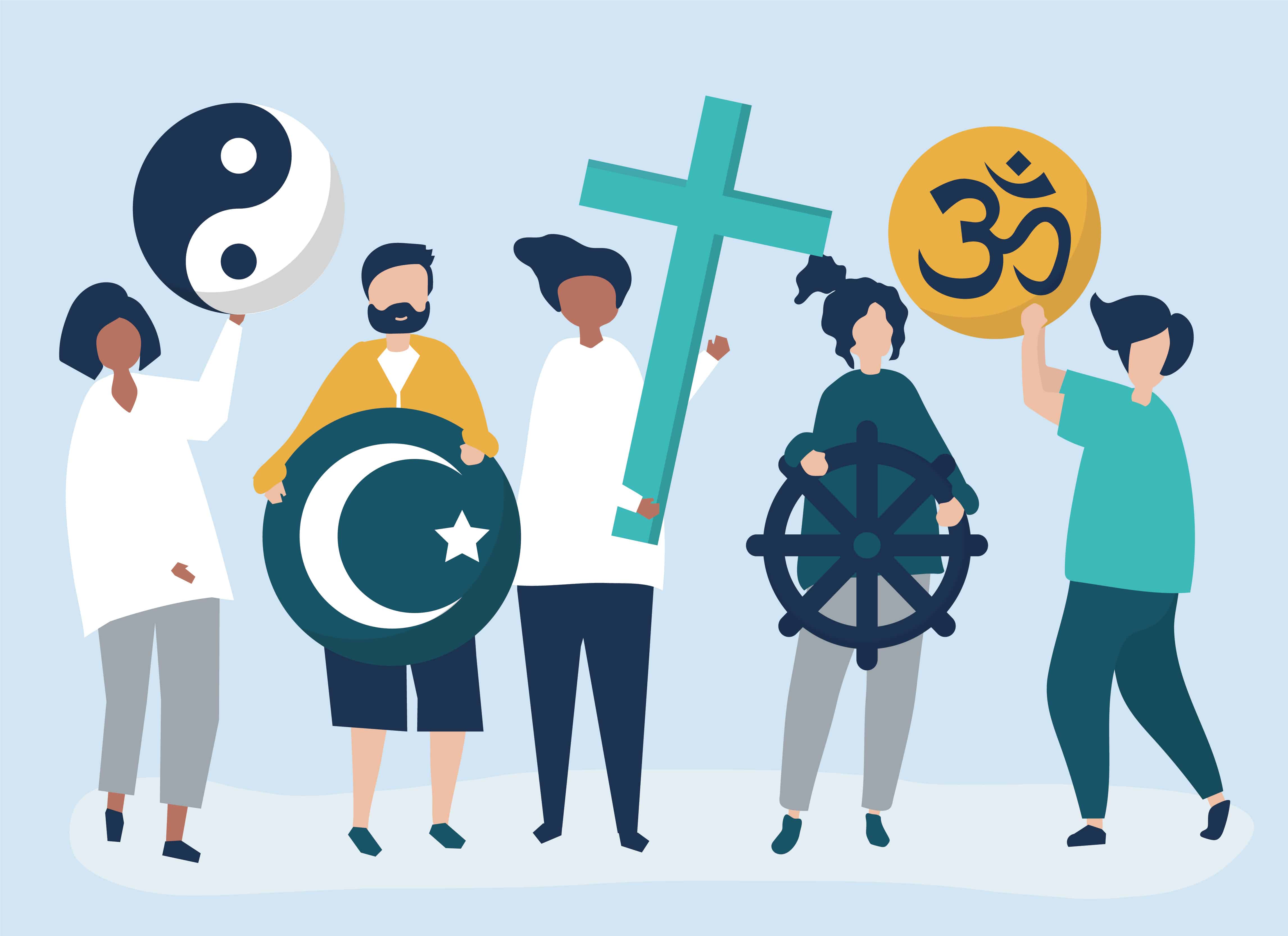
A big portion of
how religious people communicate and act with each other is due to their values
and beliefs that stem from their religions. In a big way, religion shapes and
molds the way people view values, ethics, and the rest of the world through the
influence that it brings. An example of how values and beliefs might affect
communication is how in some cultures being direct and looking people in the
eye might be considered disrespectful but in other cultures influenced by
religious humility, directness is preferable.
Religion impacts
communication styles and language barriers as well when it comes to verbal and
nonverbal communication styles. Verbal communications might be influenced when
religious teachings say that it is good to openly express opinions and talk
about topics like sex, politics, or morality. Conversations like those might
put a strain on the communications between people that don’t believe the same
way. Nonverbal communications consist of anything around gestures, eye contact,
touch, and physical space which might be acceptable and encouraged in one
religion but shunned and taken as disrespectful in another. In Islam, modesty
is emphasized so touch between men and women are very limited whereas in
Christianity it is perfectly ok and sometimes encouraged to hold hands or touch
someone’s shoulder in time of prayer.
Masculinity/ Femininity

Masculinity and femininity are dimensions in cultures that can strongly influence the communication between any cultures especially when it comes to expression of self, authority, conflict resolution, and defining social roles. The biggest difference comes down to what these two distinct cultures value most which group three did a fantastic job of covering in a way that made sense and brought to light how different these two cultures really are. Group 3 stated that masculine cultures value achievement, assertiveness, competition, and success while feminine cultures value cooperation, modesty, care for others, quality of life, and social support. Both cultures handle conflicts and celebrations very differently in the way they behave and communicate.
In masculine
cultures, men and women are expected to adhere to traditional gender roles and
behaviors and masculine roles are valued more highly than feminine roles. Most
men from masculine cultures tend to act in an assertive and dominant way and
place the roles that are nurturing, caring, and service oriented on women. In
masculine cultures, conflict resolution is a simple approach that is seeking to
“win” an argument or battle.
In feminine
cultures, everyone assumes a variety of roles and are valued for doing so
regardless of being a man or a woman. In countries like Sweden, Norway, and
Denmark, both men and women are accustomed to being nurturing, caring, and
service oriented while valuing those traits just as much as performance,
ambition, and competitiveness. Conflict resolution in feminine cultures is much
more likely to be a polite disagreement using diplomatic language such as “I
see it differently”.
Conclusion
The points talked
about is just a small glimpse into how complicated, yet very important
intercultural communication really is. It is a vital skill in our increasingly diverse
and changing world. As all groups mentioned and talked about, intercultural
communication is more than just speaking different languages, it requires an
understanding of cultural values, beliefs, behaviors, and communication styles.
Differences in religion, social norms, gender roles, race and ethnicity, and
cultural dimensions can lead to misunderstandings in not approached with awareness
and sensitivity. Effective intercultural communication promotes mutual respect,
reduces conflict, and enhances collaboration across all distinct cultures.
Cultivating this skill is key to achieving global cooperation and
understanding.


Very nice reflection post! I agree how important it us to understand different cultures.
ReplyDelete