Blog Post #2 - Anthony Lopez
These presentations truly dug deep into what it is like and
what truly goes on when it comes to education, finances, mental health, and
social lives. Although these seem to be very distinct topics, they are all tied
in and can be related to each other no matter what order they are put in. the
topics not only affect our daily lives but our futures as well and all three
groups did an amazing job of tying in together all of these topics showing how
they affect us now and how they can affect us in the future.
Education

Education is simply the process by which individuals acquire knowledge, skills, values, and pick up on habits. For a society to develop education needs to be a fundamental pillar that allows individuals to grow and succeed. It gives people the knowledge, skill, and abilities that enable them to contribute and advance in society. As was talked about in group 1’s presentation, education doesn’t only mean receiving knowledge but also helps someone with their self-confidence and self-esteem. In all, education plays a pivotal role in addressing some of the world’s biggest challenges and raises many issues such as sustainability and inequalities. This is how education can affect society and our economy.
When education refers to the economy, it is one of the most
important aspects of how someone can grow and become successful. Having a
workforce that is well educated and has experience either in college or
university tends to be more productive and better suited to take on challenges
and tasks in their area of expertise. This usually tends to lead to increased
competition for jobs and positions in their fields and those jobs and positions
are usually given to the best qualified candidates.
From a social standpoint, education tends to promote
equality and a cohesive society. These individuals that come from diverse backgrounds
have an opportunity to access equal resources and opportunities that could
potentially break the cycle of poverty and discrimination in their communities.
Society also tends to have lower crime rates and improved health outcomes when their
citizens are educated and have equal opportunities as their colleagues.
Mental health and our social lives
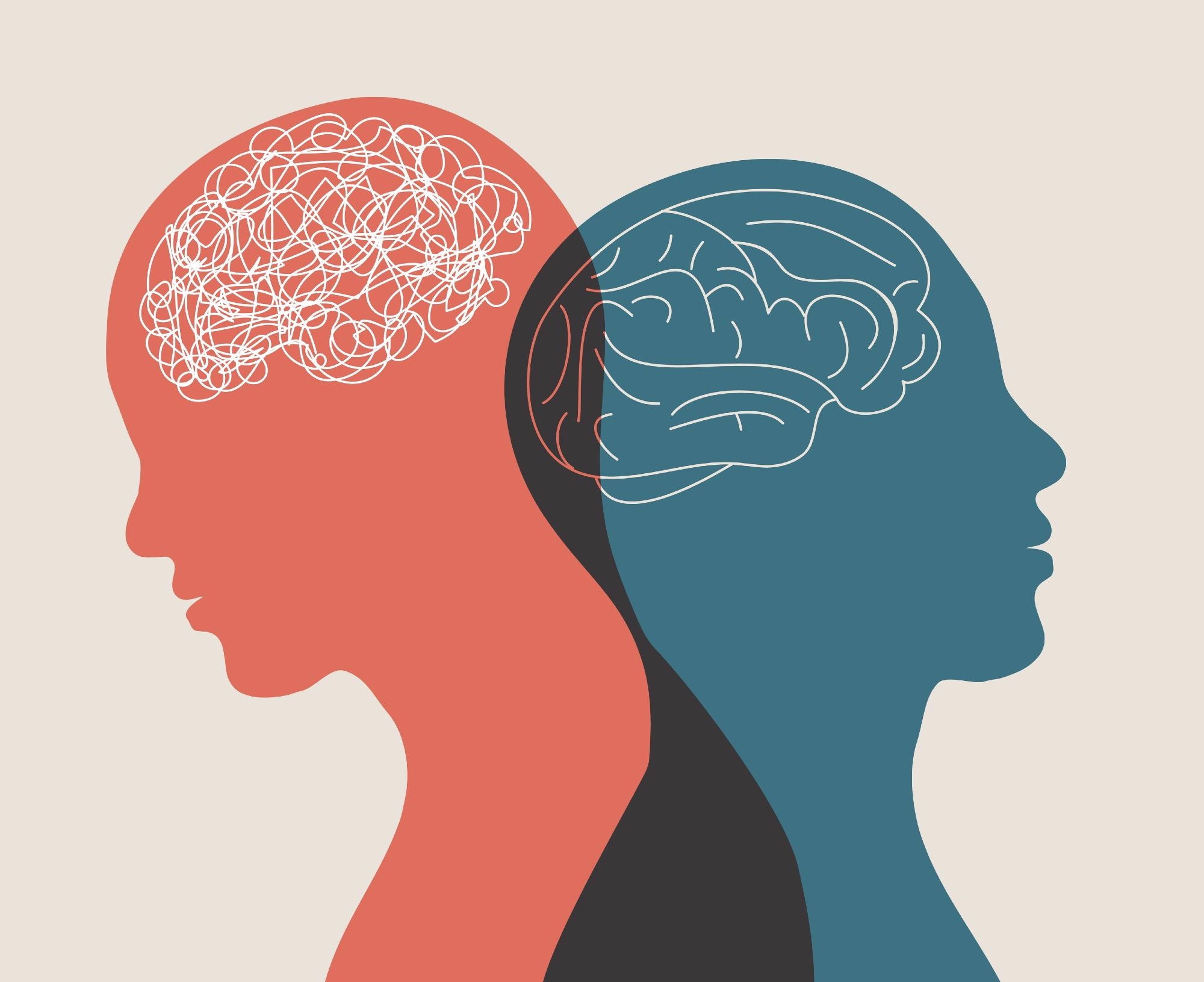
In society, mental health and social connections are a key component to how stable and harmonious society is. The influence that people can have on other people can affect the ways they look at themselves, how they carry themselves, and how they treat others. This goes deeper and can affect the experiences, communities, economies, and dynamics that society has.
The interview that group 2 had with their mom was truly
touching and motivating but more than that it highlighted the struggles and the
pain that her mom had to go through to come out on top. Struggles and hardships
on top of having a child are inspirational but it can truly take a toll on
mental health and minimize the social life that her mom had but regardless she always
did the best she could and came up on top of life with a wonderful child to
show for it. It was a great interview and beautifully put in the spotlight the
struggles and the hard work that went into becoming who she is today.
It became apparent that mental health and social lives are
deeply intertwined, constantly influencing an individual’s well-being and quality
of life. Thanks to group 2 we learned that addressing mental health isn’t just helping
somebody because they’re sad or anxious but also cultivating and supporting
that person’s environment and making it pleasant for them to walk, talk, think,
and feel important, included, and appreciated.
Economy
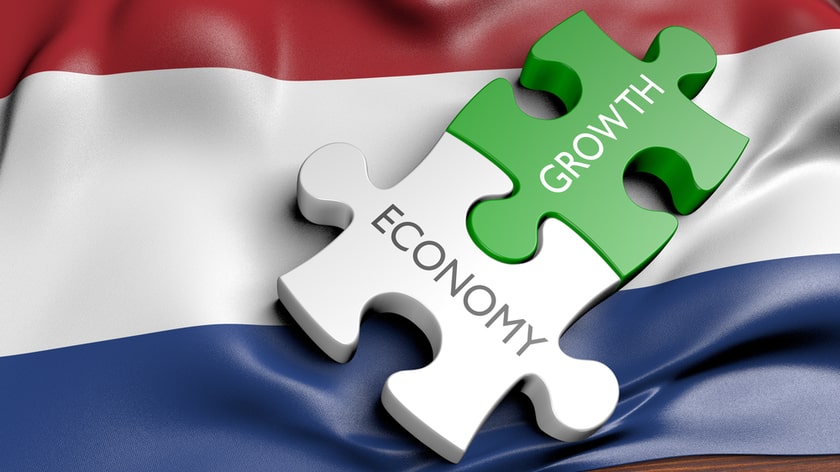
Economy and society play a pivotal part in each other’s roles, each one influencing and shaping the other. A well-developed economy is necessary for having a good and productive society since economic growth is linked to having higher incomes and improved living standards. It’s crucial that when the economy is prosperous then the government invests in public services and deals in public welfare like healthcare, public transportation, and recreation, which are all proven to contribute to a healthier and more productive population.
Although the economy plays a crucial role in society, the
same can be said when flipping, society plays a very large part in how an
economy is doing. Having strong institutions and a healthy government creates an
environment where the economy can grow and evolve. It is proven through those
countries that have transparent governments and institutions that crime rates
are lower, and their economy is growing.
As group 1 mentioned, despite how closely the economy and
all of society relate, they both face great issues that can slow and hinder
progress and development. Inequality can lead to social unrest, and that social
instability can make investments and economic activity slow down and plunge. Therefore,
it is important to address both economic and social issues as best as possible
to have a balanced, fair, and sustainable economy.
Conclusion
All three groups did an amazing job of presenting their topics with facts and with empathy and opened many eyes towards how these topics are related and how they each play a part in how society functions and thrives. Addressing these challenges within the economy, mental health, and education requires a special hand, care, and patience. We as members of society can recognize and act upon the challenges that face these different parts of our lives and find ways to help and heal each other by coming together and lending a hand to those who need it most. I’m sure everyone would agree that even though we might be able to do it alone, we shouldn’t have to. Rely on your communities, friends, and families to come together and help strengthen the relationship between our economies, our mental health, and our education.


Excellent insight and reflection!
ReplyDelete